
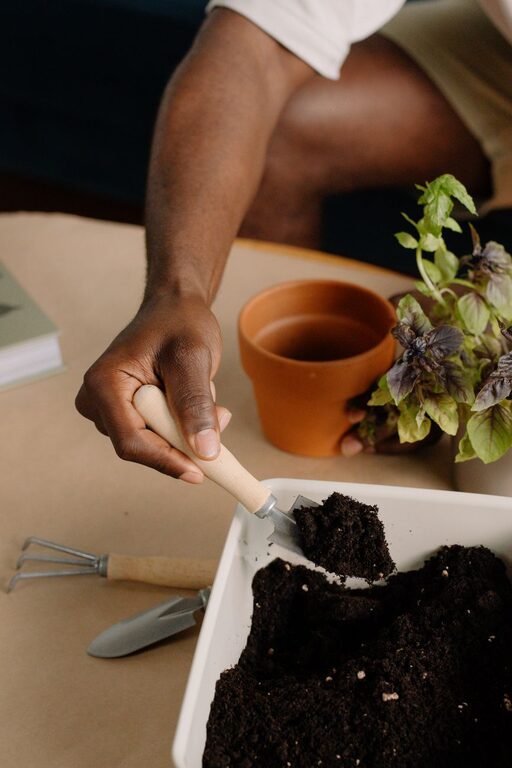
Growing your own herbs indoors is a rewarding and practical way to add fresh flavors to your cooking while bringing a touch of greenery into your home. Whether you have a sunny windowsill or a small corner that gets natural light, starting a small indoor herb garden is easier than you might think. In this guide, we’ll walk you through the essential steps to get your indoor herb garden thriving.
Why Grow Herbs Indoors?
Indoor herb gardening offers several benefits:
– Freshness: Pick herbs whenever you need them, ensuring maximum flavor.
– Convenience: No need to step outside; have fresh herbs right in your kitchen.
– Space-saving: Perfect for those without outdoor garden space.
– Aesthetics: Adds greenery and liveliness to your home.
– Air quality: Some herbs can help purify indoor air.
Choosing the Right Herbs for Indoors
Not all herbs thrive indoors equally. Choose varieties that are well-suited for indoor conditions:
– Basil: Requires plenty of light; great for cooking.
– Mint: Hardy and easy to grow but can spread quickly — use separate pots.
– Parsley: Prefers bright, indirect light.
– Thyme: Needs well-drained soil and good light.
– Chives: Tolerates lower light; great for garnishes.
– Oregano: Likes bright light and drier soil.
– Cilantro: Prefers cooler temperatures and moderate light.
Start with 2–4 different herbs to keep things manageable.
What You’ll Need
Before planting, gather the following:
– Containers: Pots with drainage holes are essential to prevent waterlogging.
– Potting mix: Use a high-quality, well-draining potting soil.
– Seeds or starter plants: Starter plants are easier for beginners, but seeds can be rewarding.
– Watering can or spray bottle
– Fertilizer: A balanced, water-soluble fertilizer for indoor plants.
– A sunny spot: A south-facing window is ideal, providing 6+ hours of light daily.
– Optional grow lights: If natural light is insufficient, LED grow lights can supplement.
Step-by-Step Guide to Starting Your Indoor Herb Garden
1. Prepare Your Containers
Choose pots that fit your space and have drainage holes at the bottom. Fill them with potting mix, leaving about half an inch of space below the rim.
2. Plant Your Herbs
– Seeds: Follow package instructions for planting depth and spacing. Keep soil moist but not soggy.
– Starter plants: Dig a hole large enough for the root ball, place the plant in, and cover with soil.
3. Water Carefully
Water the soil gently until it’s evenly moist. Avoid overwatering, which can cause root rot. Check soil moisture regularly by sticking your finger about an inch deep; water when it feels dry.
4. Place in the Right Spot
Position your pots in a bright location with plenty of indirect sunlight. If natural light is scarce, set up grow lights to provide 10–12 hours of light daily.
5. Maintain Your Herb Garden
– Fertilize: Feed herbs every 4–6 weeks during the growing season with a diluted, balanced fertilizer.
– Prune regularly: Harvest herbs by snipping leaves and stems just above a pair of leaves to encourage bushier growth.
– Rotate pots: Turn plants every few days so all sides receive equal light.
Tips for Success
– Start small: Don’t overwhelm yourself; focus on a few herbs first.
– Avoid cold drafts: Keep plants away from air conditioners or drafty windows.
– Use saucers: To catch excess water and protect your surfaces.
– Label your herbs: Helps you keep track and care for each type properly.
– Watch for pests: Occasionally check leaves for signs of insects or mold.
When to Harvest Your Herbs
Harvest herbs once the plants have several sets of leaves and are at least 4–6 inches tall. Morning is the best time to pick, after the dew has dried but before the heat of the day.
Common Problems and How to Solve Them
– Yellow leaves: Often a sign of overwatering or poor drainage.
– Leggy growth: Not enough light; move herbs to a sunnier spot or add grow lights.
– Wilting: Check soil moisture; it may be too dry or too wet.
– Pests: Use a gentle insecticidal soap or wipe leaves with a damp cloth.
Conclusion
Starting a small indoor herb garden can brighten your home and enhance your cooking with fresh, aromatic herbs. With the right plants, proper care, and a bit of patience, you’ll enjoy a thriving garden that fits right in your kitchen or living space. Happy gardening!
About the Author